



How RFID Technology Helps Hotels Control Their Linen Costs
Hotel general managers know that linen costs rarely show up as a single large expense. Instead, they creep upward over time. Sheets disappear. Towels wear out faster than expected. Replacement orders increase, even when occupancy stays steady. Without clear visibility, it becomes difficult to know where the losses are coming from.
This is where technology changes the conversation. Tools like RFID-based hotel linen inventory tracking give hotels a clearer picture of what they actually own, what is in circulation, and where losses occur. For properties trying to control costs, visibility is often the missing piece.
Why Linen Loss Is Hard to Track
Hotel linens move constantly. They travel from guest rooms to laundry, to storage, and back into service. During busy periods, that cycle speeds up. Items may leave the property with trash, get mixed into other loads, or never make it back into inventory.
Traditional tracking methods rely on estimates. Managers count what is on hand, compare it to expected usage, and reorder when supplies run low. That approach makes it easy to miss slow losses over time. By the time the issue becomes noticeable, thousands of dollars may already be gone.
Hotel linen inventory tracking works best when it removes guesswork from the process.
What RFID Technology Does Differently
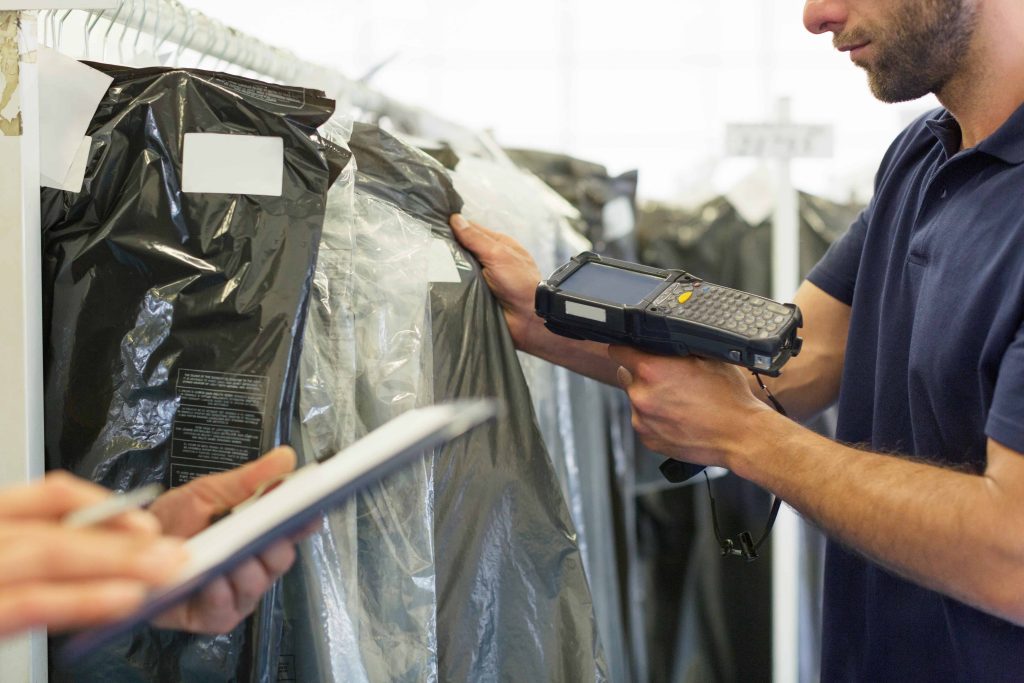
RFID, or radio frequency identification, allows individual linen items to be tracked through their lifecycle. Each tagged sheet or towel carries a unique identifier that can be read as it moves through the laundry process.
Instead of relying on bulk counts, hotels gain item-level visibility. That means they can see how often linens circulate, when they leave service, and where losses tend to occur. This level of detail helps managers understand patterns that manual tracking simply cannot reveal.
RFID-based hotel linen inventory tracking focuses on data rather than assumptions.
How Technology Helps Control Linen Costs
When hotels understand where losses happen, they can take action. RFID data highlights issues that would otherwise remain hidden.
Hotels using technology-driven tracking often gain insight into:
- How many linens are actually in circulation
- Where losses are occurring most frequently
- Whether replacement orders align with true usage
- How long items stay in service before removal
This information allows general managers to make informed decisions rather than reacting to shortages.
Reducing Overbuying and Emergency Orders
One of the most common cost issues hotels face is overbuying. Without accurate tracking, managers often order extra linens as a safety buffer. Over time, those emergency purchases inflate budgets.
With clearer inventory data, hotels can order based on actual need instead of fear of running short. Technology helps stabilize purchasing patterns and reduces the pressure to place rush orders.
Better tracking also improves budgeting. When linen usage becomes predictable, replacement cycles become easier to plan.
Improving Accountability Without Adding Labor
Manual inventory checks take time. Staff must count, record, and reconcile numbers across departments. Even then, results may vary depending on who performs the count.
Technology reduces that burden. Automated tracking systems capture data as linens move through processing. Managers gain reporting without adding extra steps to daily operations.
This approach supports accountability without increasing workload for housekeeping or management teams.
Supporting Long-Term Operational Planning
Hotel linen inventory tracking is not just about loss prevention. Over time, data reveals trends that support smarter planning. Managers can identify high-loss areas, seasonal usage shifts, or departments that require process adjustments.
Technology also helps hotels evaluate service performance. When inventory levels stay consistent, managers know systems are working. When they do not, the data points to where changes are needed.
For hotels focused on long-term efficiency, visibility becomes a strategic advantage.
Why Technology Matters to Hotel GMs
General managers balance guest experience, staffing, and cost control every day. Linen programs touch all three. Clean, available linens support guest comfort. Predictable inventory supports staff efficiency. Controlled replacement costs protect margins.
Those margins matter more than ever. According to NetSuite’s industry analysis, the average profit margin for U.S. hotels ranges between 10% and 30%, meaning hotels retain only 10 to 30 cents for every dollar of revenue. When operating supplies costs increased by 9.4% in a single year, every controllable expense became critical to protecting profitability.
Linen costs sit squarely in that category. With hotels losing 20% to 30% of their linen inventory annually to theft, misplacement, and handling errors, uncontrolled replacement spending can quietly erode already thin margins. For properties running at 15% profitability, an unexpected $50,000 in annual linen losses represents a significant hit to the bottom line.
Technology like RFID-based hotel linen inventory tracking helps align those priorities. It gives hotel leadership the tools to stop paying for losses they cannot see. When every percentage point matters, visibility into exactly where linens are and where costs are actually going becomes a competitive advantage worth investing in.
Take Control of Your Linen Costs
If your hotel is still managing linens manually, you are likely paying more than you should. RFID-based hotel linen inventory tracking eliminates the gaps, reduces losses, and gives you the data needed to make smarter purchasing decisions.
Crown Linen Service is ready to show you how our RFID technology can support your property. Contact us at (800) 733-8090 to learn how we help hotels across Missouri and southern Illinois control their linen costs through better tracking and smarter service.
Crown Linen Service, Inc.
215 So. Jefferson Street - P.O. Box 597
Mexico, MO 65265
573 581-1100
Crown Linen Service, Inc.
322 E. Industrial Drive
Columbia, IL 62236
618 281-9099
Social Links



Hispanic Chamber Of Commerce
Foundation
Foundation
Crown Linen Service, Inc.
215 So. Jefferson Street - P.O. Box 597
Mexico, MO 65265
573 581-1100
Crown Linen Service, Inc.
322 E. Industrial Drive
Columbia, IL 62236
618 281-9099
Social Links


Hispanic Chamber Of Commerce
Foundation
Foundation